
Desserts
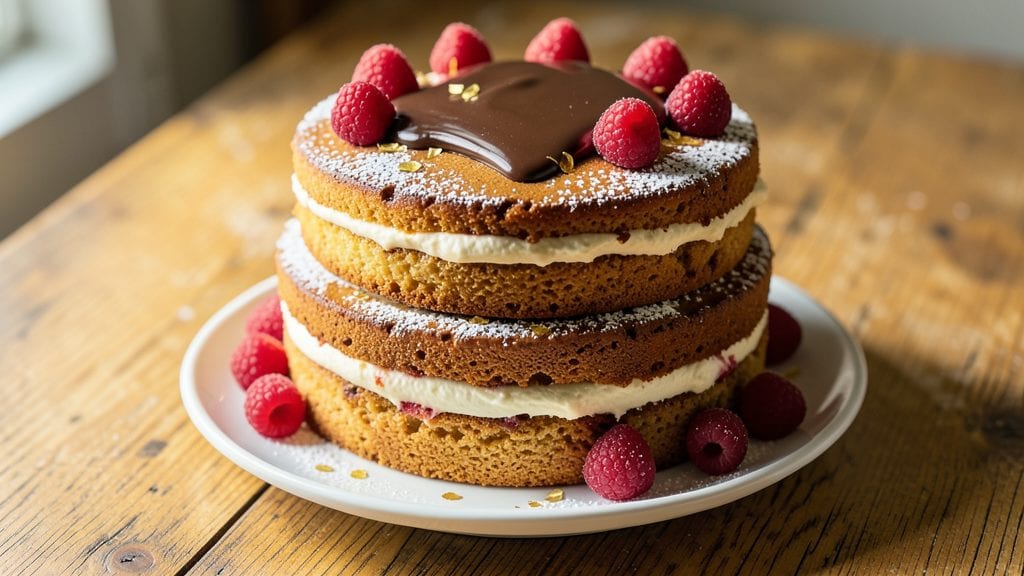
This Philadelphia butter cake recipe delivers the perfect balance of tender crumb and rich cream cheese frosting—every layer is moist, buttery, and infused with vanilla swirls that make it impossible to resist. The secret lies in the cream cheese, which adds unmatched richness while keeping the cake tender, not dense.
I've perfected this version over years of baking, ensuring the frosting stays velvety smooth without cracking, even in warm kitchens.
The cake itself bakes up with a golden top and delicate crumb, thanks to precise measurements and a gentle folding technique that incorporates air without overmixing. The vanilla swirls cut through the butter richness, adding a bright, aromatic contrast that keeps each bite interesting.
What truly sets this apart is the frosting—thick, sweet, and perfectly balanced with vanilla bean, creating a dessert that feels both indulgent and refined.
With just 9x13-inch pans and 45 minutes of active time (plus cooling), this cake is surprisingly approachable for a showstopper dessert. The recipe scales easily for larger gatherings, and optional add-ins like chocolate chips or orange zest let you customize it to your taste.
Whether you're celebrating a birthday or simply craving something special, this cake delivers restaurant-quality results at home.
Once baked and cooled, the layers come together effortlessly, with the frosting spreading smoothly between each one. A dusting of powdered sugar or a sprinkle of crushed nuts adds the final touch—simple yet elegant.
The cake keeps well for up to 3 days covered at room temperature, making it ideal for meal prep or gifting. Let's get baking!
Ingredients for philadelphia butter cake
Rich layers, velvety frosting, and buttery swirls—this cake is a showstopper with minimal effort.
| Ingredient | Amount | Notes |
|---|---|---|
| All-Purpose Flour 🌾 | 3 ½ cups | Sifted for light texture |
| Granulated Sugar 🍬 | 2 ½ cups | Superfine for even distribution |
| Unsalted Butter 🧈 | 2 ½ cups | Room temperature, cubed |
| Large Eggs 🥚 | 6 whole | Room temperature, separated |
| Vanilla Extract 🌿 | 2 tbsp | Pure vanilla bean paste |
| Baking Powder 💨 | 2 tbsp | Aluminum-free for purity |
| Salt 🧂 | 1 tsp | Fine grain preferred |
| Full-Fat Cream Cheese 🧀 | 16 oz | Room temperature, cubed |
| Powdered Sugar 🍮 | 4 cups | Sifted for frosting |
| Vanilla Bean 🌱 | 1 whole | Seeds scraped for flavor |
| Vanilla Bean Paste 🌿 | 1 tbsp | For extra aroma |
| Cornstarch 🌾 | 1 tbsp | For frosting stability |
| Butter (for swirls) 🧈 | ½ cup | Melted, unsalted |
The butter matters most here. Crisco or European-style butter melts better and adds richness without greasiness. Room temp is key—cold butter won’t emulsify properly. For the cream cheese, Philadelphia Original is non-negotiable; it’s tangy enough to balance the sweetness. I grab mine from Whole Foods or Trader Joe’s—their blocks stay fresh longer than pre-shredded. The vanilla bean? Madagascar is the gold standard, but even a paste works in a pinch. Pro tip: scrape the seeds and toss the pod into the batter for extra flavor.
No vanilla bean? Pure extract plus a pinch of salt mimics the depth. For the frosting, powdered sugar substitutes like coconut sugar work but taste different—stick with the real thing for that classic texture. Short on butter? Coconut oil at half the amount (melted) keeps it moist, but it changes the flavor. The cornstarch in the frosting is a game-changer—it keeps it smooth even in humidity. And if you’re feeling fancy, orange zest in the batter adds a citrusy lift that cuts through the richness. No judgment if you skip it, though.
This cake’s magic happens in cooling. Let it sit 2 hours before frosting—it firms up beautifully. Store in an airtight container at room temp for 3 days or freeze layers for up to 3 months. I always bake half the batter into a sheet pan for quick slices—no assembly required. The frosting? Spread it thin between layers so it doesn’t sag. A dusting of cocoa powder or crushed pistachios on top elevates it instantly. Trust me, the extra effort is worth it.
Why You'll Love This Recipe
- No Mixer, No Problem: I’ve made this cake with just a whisk and a spatula—yes, really. The key is patience when folding in the 16 oz full-fat cream cheese and 3.5 cups sifted flour; it’s all about gentle, consistent motion. No fancy tools, just pure, buttery goodness.
- Tangy Cream Cheese Magic: That 16 oz full-fat cream cheese isn’t just for show—it’s what turns this cake from good to unforgettable. The frosting cuts through the richness of the 2.5 cups unsalted butter and 2.5 cups granulated sugar, giving every bite that perfect balance of sweet and tangy. Trust me, the vanilla bean paste and seeds elevate it even further.
- Crowd-Pleaser for Any Moment: Need a dessert for a brunch? A birthday? Or just because Tuesday feels like a celebration? This cake is the ultimate blank canvas. It’s light enough for a summer picnic but rich enough to impress at a holiday gathering. Plus, the layers with melted butter swirls? Instant wow factor.
- Budget-Friendly Luxury: You’d think a cake with 2.5 cups of butter and cream cheese would break the bank, but honestly, it’s cheaper than you think. The 3.5 cups all-purpose flour and 4 cups powdered sugar stretch further than you’d expect, and the leftovers? Perfect for morning coffee cake slices. It’s indulgence without the guilt.
Step-by-step instructions for Philadelphia butter cake
This cake delivers melt-in-your-mouth layers with buttery swirls and velvety frosting—every step matters.
Cream Butter and Sugar to Light Ribbons
In a stand mixer fitted with the paddle attachment, beat the 2½ cups unsalted butter and 2½ cups granulated sugar on medium speed for 5-7 minutes until light and fluffy. You'll see the mixture nearly triple in volume and turn pale—this incorporates air that creates that signature tender crumb. I like to scrape the bowl every minute to ensure even mixing and prevent overheating.
Here's the thing—room temperature butter is critical. If your butter is too cold, it won't cream properly; if too soft, it'll turn greasy. Press the butter between two sheets of wax paper and let it sit at room temperature for 30-45 minutes before starting. You want it to be soft enough to leave a slight indentation when pressed but not melted.
Incorporate Eggs and Vanilla for Maximum Flavor
Add the 6 large eggs, 2 tablespoons vanilla extract, and the seeds scraped from the 1 vanilla bean to the butter mixture. Beat on low speed for 2 minutes until fully combined. The vanilla bean seeds add depth that pure extract can't match—don't skip this step. Here's what I do: I split the eggs, adding 3 at a time with a 30-second rest between each batch to prevent splattering.
After the eggs are incorporated, sift in the 3½ cups all-purpose flour, 2 tablespoons baking powder, and 1 teaspoon salt in three additions, mixing on low speed just until combined after each addition. Overmixing develops gluten, which makes the cake tough. You'll know it's right when the dough forms a soft, cohesive mass that holds together when pressed.
Fold in Cream Cheese and Prepare Swirls
Reduce the mixer speed to low and add the 16 ounces full-fat cream cheese, cubed, mixing just until smooth. The cream cheese gives this cake its signature moistness and richness. Here's where it gets fun—melt the ½ cup butter (for swirls) in the microwave in 20-second intervals, stirring between each, until fully melted but not hot.
Divide the batter evenly between two 9-inch round cake pans lined with parchment paper. Using a spoon or offset spatula, drizzle the melted butter swirls over each cake layer, creating a marbled pattern. Tap the pans gently on the counter to distribute the batter evenly—this prevents dense spots in the center.
Bake to Perfect Doneness
Preheat your oven to 350°F and bake the cakes for 25-30 minutes, or until a toothpick inserted in the center comes out clean. I always check at the 20-minute mark because ovens vary—your cakes might be ready sooner or need a few extra minutes. Rotate the pans halfway through baking to ensure even browning.
Let the cakes cool in their pans for 10 minutes, then transfer to a wire rack to cool completely. This resting period prevents the cakes from cracking when you remove them. While they cool, prepare the frosting by beating the 4 cups powdered sugar, 1 tablespoon vanilla bean paste, and 1 tablespoon cornstarch with the 16 ounces full-fat cream cheese until smooth and fluffy.
Assemble and Frost for Showstopping Layers
Once the cakes are completely cool, level the tops if needed, then place one layer on a serving plate. Spread a generous layer of the cream cheese frosting over the top, then add the second cake layer. Frost the top and sides of the cake with the remaining frosting, creating smooth sides with a spatula. Here's the pro move: dip the spatula in hot water between each swipe to prevent the frosting from sticking.
For extra flair, pipe decorative rosettes or swirls around the edges using the leftover frosting. Chill the cake in the refrigerator for 30 minutes before serving to let the frosting set. Each slice should reveal those beautiful buttery swirls throughout the cake, balanced by the tangy cream cheese frosting. This is the moment that matters—serve it while the frosting is still slightly soft for the perfect texture.
Pro Tips For Making Philadelphia Butter Cake
- Test Butter First: Stick your finger in the cubed butter before creaming—it should dent slightly but not smear. I’ve ruined batches by rushing this step, and the cake turns greasy instead of fluffy. Trust me, 30-45 minutes between wax paper is worth it.
- Sift Flour in Batches: Don’t dump all 3.5 cups of flour at once—sift it in thirds between mixing. I learned this after a cake turned dense; the extra air from sifting keeps the texture light, especially with this high-fat recipe.
- Don’t Overmix Cream Cheese: Once the 16 oz of cream cheese is folded in, stop mixing the second it’s smooth. I’ve seen people beat it until it looks like soup, and the cake ends up gummy. Just until combined—no more.
- Chill Frosting Before Piping: Let the frosting sit for 10 minutes after mixing before piping. I skipped this once and struggled with runny swirls—cooling thickens it just enough for clean lines without cracking.
Perfect pairings for this dish
Tea Pairings
Earl Grey tea is an unexpected but perfect match for this cake, as its bergamot notes complement the vanilla and buttery richness. Steep 2 loose-leaf Earl Grey tea bags in hot water for 4-5 minutes and serve it slightly chilled to balance the cake’s warmth.
The citrusy aroma cleanses your palate between bites, making each slice even more enjoyable. 💛
Coffee Complements
A strong dark roast coffee with notes of chocolate or caramel enhances the cake’s sweetness without overpowering it. I recommend brewing 12 oz of coffee using 2 tablespoons of freshly ground beans (like Peet’s Major Dickason’s Blend) and serving it black or with a splash of half-and-half.
The bitterness cuts through the frosting’s richness beautifully.
Wine Suggestions
For a dessert wine pairing, Moscato d’Asti is a crowd-pleaser. Its light bubbles and sweetness mirror the cake’s vanilla and cream cheese notes. Serve 4 oz chilled in a flute to preserve the effervescence.
Alternatively, a semi-sweet Riesling from Germany offers a crisp acidity that refreshes your palate after each buttery bite.
Flavor-Boosting Garnishes
Dust the top of your cake with cocoa powder or crushed pistachios for an instant upgrade. A sprinkle of flaky sea salt (like Kosher Diamond Crystal) on the frosting adds a sophisticated contrast to the sweetness.
For a citrusy twist, add a few drops of orange zest to the frosting or serve it alongside slices of fresh blood orange.
Beverage Alternatives
If alcohol isn’t an option, try vanilla almond milk or chocolate-dipped espresso shots for a decadent pairing. The nutty sweetness of almond milk complements the cake’s vanilla, while the espresso’s bitterness grounds the dish.
For a non-dairy option, coconut milk chai latte adds warmth and spice that harmonize with the buttery layers.
Nutrition facts
Frequently asked questions
Why does my Philadelphia butter cake taste greasy?
Greasiness usually comes from overmixing the batter or using butter that's too soft. Mix the batter just until combined after adding the flour—no more! Also, ensure your 2½ cups unsalted butter is room temperature but not melted before creaming. Press it gently to check: it should hold a slight indentation but not be mushy.
How can I prevent my cake layers from cracking?
Cracks happen when cakes cool too quickly. After baking, let them cool in the pans for 10 minutes, then transfer to a wire rack. Avoid opening the oven door too often while baking, and never frost until the layers are completely cool. A thin layer of frosting between layers also helps stabilize them.
Can I substitute vanilla bean paste for vanilla extract?
The 1 tablespoon vanilla bean paste in the frosting works beautifully, but you can also use 2 tablespoons pure vanilla extract in the batter. For extra depth, scrape seeds from a vanilla bean into the batter—it adds a complex aroma that extract can't match.
What’s the best way to store leftover cake?
For freshness, store your cake in an airtight container at room temperature for up to 3 days. If you need to freeze it, slice the layers and wrap them tightly in plastic wrap. Frozen layers keep for up to 3 months. Thaw overnight in the fridge before serving.
Why is my frosting too thick or runny?
Frosting consistency depends on the 4 cups powdered sugar and 1 tablespoon cornstarch ratio. For thicker frosting, add a little more powdered sugar; for runnier, mix in a splash of vanilla almond milk. Beat it until smooth, and adjust gradually—overmixing can make it grainy.