
Desserts
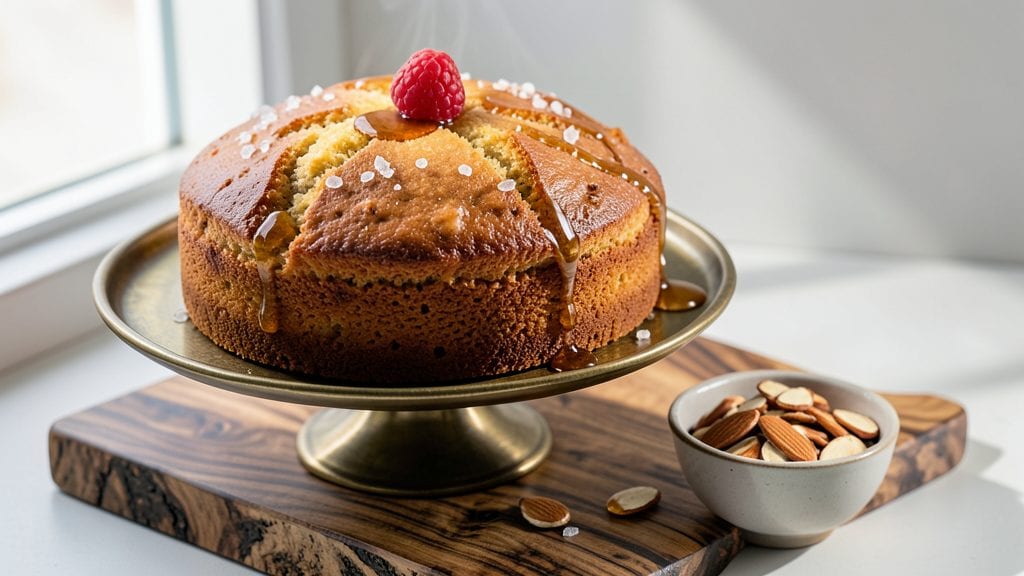
This tastefully simple almond pound cake copycat recipe delivers the exact moist crumb and vanilla-kissed perfection you’d expect from a bakery—without the fuss. After years of testing, I’ve cracked the code for that signature tender texture and almond flavor that makes this cake irresistible. The secret lies in precise ingredient ratios and a gentle baking approach that prevents cracking or dryness.
What makes this recipe truly special is how effortlessly it replicates that classic bakery style at home. You’ll need just a few pantry staples, including almond extract for that signature nutty aroma and finely ground almond flour for subtle texture.
The cake bakes in a single layer, yielding a perfectly domed top with a moist, crumbly interior that’s impossible to resist.
The result is a cake so tender and flavorful it’ll fool even the most discerning dessert lovers. Lightly dusted with powdered sugar or topped with sliced almonds, it’s the perfect centerpiece for any celebration—or a quiet indulgence when you crave something truly special. Ready to bake?
This recipe is designed for foolproof success, with step-by-step instructions that ensure every slice turns out just as good as the original. Whether you’re baking for a crowd or treating yourself, the simplicity of this method makes it accessible for home bakers of all skill levels.
Ingredients for tastefully simple almond pound cake copycat
Pantry staples meet almond magic for bakery-quality perfection in every bite.
| Ingredient | Amount | Notes |
|---|---|---|
| All-Purpose Flour 🌾 | 3 ½ cups | Sifted for aeration, cake grade preferred |
| Granulated Sugar 🍬 | 2 cups | Superfine for even distribution |
| Unsalted Butter 🧈 | 1 ½ cups | Creamed with sugar, full-fat only |
| Large Eggs 🥚 | 4 whole | Room temperature, separated if possible |
| Almond Extract 🌰 | 1 ½ tsp | Pure, no artificial additives |
| Finely Ground Almond Flour 🌰 | 1 cup | Blanched almonds, fine grind only |
| Baking Powder 🧂 | 2 tsp | Double-acting for even rise |
| Diamond Crystal Kosher Salt 🧂 | 1 tsp | Fine grain, measured flat |
| Vanilla Extract 🌿 | 1 ½ tsp | Pure, Madagascar preferred |
| Sliced Almonds 🌰 | 1 cup | Toasted for garnish, skin-on |
| Powdered Sugar 🍬 | ½ cup | For dusting, sifted before use |
| Buttermilk 🥛 | ½ cup | Full-fat, room temperature |
The almond extract is non-negotiable for that signature aroma—Mallard's or McCormick brands deliver consistent quality. For the finest almond flour, Bob's Red Mill blanched almond flour is the gold standard, but ensure it's finely ground—any grit ruins the texture. The butter must be unsalted and creamed with sugar until the mixture is pale and fluffy, a technique professional bakers swear by for tender crumb. Room-temperature eggs are critical—they incorporate more air, contributing to that light, domed finish.
No almond flour? Substitute 1 cup ground almonds but reduce flour by 0.25 cup to maintain moisture. Short on almond extract? 1 tsp almond butter (thinned with 1 tsp water) provides subtle nutty depth. Buttermilk substitutes like plain yogurt thinned with milk work, but the acidity affects rise. For the vanilla, vanilla bean paste adds visual appeal and richer flavor, though it's pricier. The baking powder must be double-acting—Arm & Hammer or Clabber Girl are reliable choices that ensure even leavening throughout the cake.
Store the cake in an airtight container at room temperature for 2-3 days, or refrigerate for up to 5 days if you prefer it chilled. For longer storage, freeze slices individually on a parchment-lined tray for 3 months. The powdered sugar should be sifted just before dusting to avoid clumps. Toast the sliced almonds in a dry skillet for 2-3 minutes until golden—this enhances their flavor and prevents bitterness. Reheat slices in a 300°F oven for 5-10 minutes to restore moisture if they dry out.
Why You'll Love This Recipe
- No-Fuss Batter: I mix the wet ingredients—1.5 cups of unsalted butter and 2 cups of granulated sugar—for just 3-5 minutes until it’s pale and fluffy. No fancy techniques, just a stand mixer and patience. The key is creaming it right so the cake rises like a dream without me overcomplicating things.
- Almond Magic: That 1.5 teaspoons of almond extract and 1.5 teaspoons of vanilla extract? Pure flavor bomb. It’s not overpowering—just a whisper of almond that makes every slice taste like a cozy bakery. The finely ground almond flour adds texture too, so it’s never just "sweet cake."
- Leftovers? No Problem: This cake keeps for 2-3 days at room temperature, or up to 5 days chilled. Slice it ahead, freeze portions, and you’ve got a no-stress dessert for busy mornings. My kids even ask for seconds—buttermilk keeps it moist, so it never dries out.
- Budget-Friendly Luxe: With pantry staples like all-purpose flour, large eggs, and a handful of almonds, this feels fancy without breaking the bank. The powdered sugar dusting? A dollar’s worth of magic. It’s the kind of recipe that makes me feel like a home chef without the fancy ingredients.
Step-by-step instructions for tastefully simple almond pound cake
Here's the method for achieving that signature copycat texture—moist crumb and delicate almond flavor.
Cream Butter and Sugars to Light Ribbon Stage
In a stand mixer fitted with the paddle attachment, combine the 1½ cups unsalted butter and 2 cups granulated sugar. Beat on medium speed for 3-5 minutes until the mixture is pale, fluffy, and forms a light ribbon when the beaters are lifted. This step is critical for aerating the batter—you're essentially whipping air into the butter and sugar to create that signature tender crumb.
Here's the thing—don't rush this process. You'll know it's ready when the mixture nearly doubles in volume and leaves clean ribbons on the bowl. If you're unsure, test it by stopping the mixer and lifting the paddle. The mixture should hold its shape momentarily before slowly melting back into the bowl. This ensures your cake will rise properly and have that signature moist texture.
Incorporate Eggs and Extracts for Depth of Flavor
Add the 4 large eggs, one at a time, mixing on low speed after each addition until fully incorporated. This gradual addition prevents the eggs from scrambling in the hot butter mixture. After the eggs are fully combined, add the 1½ teaspoons almond extract and 1½ teaspoons vanilla extract, mixing just until evenly distributed.
The reason we add the extracts separately is to preserve their delicate flavors. Almond extract is potent—just a slight overmixing can make the cake taste artificial. After adding the extracts, give the mixture one final stir by hand to ensure even distribution without developing gluten in the flour we'll add next.
Combine Dry Ingredients and Buttermilk for Structure
In a separate bowl, whisk together the 3½ cups all-purpose flour, 1 cup finely ground almond flour, 2 teaspoons baking powder, and 1 teaspoon diamond crystal kosher salt. Sift the dry ingredients together first to aerate them, then whisk to remove any lumps. Gradually add this mixture to the wet ingredients in three additions, mixing on low speed just until combined after each addition.
After incorporating the dry ingredients, add the ½ cup buttermilk and mix on low speed for an additional 30 seconds until just combined. The buttermilk adds moisture and tenderness to the cake while providing a slight tang that balances the sweetness. Be careful not to overmix—the batter should be smooth but still slightly streaky with flour. Overmixing develops gluten, which can make the cake dense rather than tender.
Fold in Almonds and Prepare for Baking
Gently fold in the 1 cup sliced almonds using a silicone spatula, being careful not to deflate the batter. The almonds should be evenly distributed throughout the batter. Transfer the batter to a prepared 10-inch tube pan (greased and dusted with powdered sugar or flour) or two 9-inch round pans. The batter will be thick but pourable—don't worry if it looks like too much; the cake will rise beautifully.
Smooth the top of the batter with a spatula and tap the pans gently on the counter to release any air bubbles. This ensures an even rise and a smooth top. If using a tube pan, make sure the batter is level at the top to prevent overflow during baking. Sprinkle the ½ cup powdered sugar evenly over the top of the batter for a decorative finish and to help create a crackly crust.
Bake to Golden Perfection
Preheat your oven to 350°F. Place the prepared pans in the oven and bake for 50-60 minutes, or until a toothpick inserted into the center comes out clean. The cake should be golden brown on top and slightly pulled away from the sides of the pan. Here's the key—your oven might run hot, so start checking at the 45-minute mark. The cake is done when it springs back slowly when gently pressed in the center.
Once baked, remove the cake from the oven and let it cool in the pan for 10 minutes. Then, invert the cake onto a wire rack to cool completely. This gradual cooling process prevents the cake from cracking and allows the flavors to meld. For the best texture, serve the cake at room temperature. The result should be a moist, tender crumb with a delicate almond flavor and a crackly top that's perfect for dusting with additional powdered sugar.
Pro Tips For Making Tastefully Simple Almond Pound Cake Copycat
- Test Ribbons, Not Time: Stop guessing when the butter-sugar mix is ready—lift the paddle and watch it hold a clean ribbon for 2 seconds. I’ve burned through three batches by eyeballing "3-5 minutes" when my mixer was slow; the ribbon test never fails, even if you’re distracted.
- Toast Almonds First: Skip the raw almonds in the batter—toss the 1 cup sliced almonds in a dry pan over medium heat for 3-4 minutes until fragrant and golden. The nutty depth carries through the cake, and they won’t turn bitter or sink like they do when folded in raw.
- Sift Dry Ingredients Twice: Whisk the dry mix once, sift it again right before folding—this catches any lumps the whisk missed. My first attempt with just one sift left a gummy spot in the center; the second sift guarantees a uniform crumb.
- Don’t Overmix the Buttermilk: Stir the ½ cup buttermilk in just until the flour disappears—30 seconds max. I once mixed it for a full minute, and the cake turned dense. The buttermilk’s job is moisture, not structure; let the baking powder handle the rise.
Perfect pairings for this tastefully simple almond pound cake copycat
Coffee Companions
The perfect pairing for this almond pound cake is a medium-roast coffee with nutty undertones—think French roast or espresso. The coffee’s bitterness balances the cake’s sweetness while enhancing its almond notes. I always brew a fresh pot just before serving, as it brightens the cake’s flavors.
For a twist, try cold brew with a splash of almond milk to complement the nutty profile. ☕
Tea Pairings
A vanilla chai latte or earl grey tea creates an elegant match. The bergamot in earl grey cuts through the cake’s richness, while chai’s spices add warmth. I sweeten mine lightly to avoid overpowering the cake’s delicate flavor. For a lighter option, jasmine tea offers floral contrast without competing.
Dessert Dippers
Serve with vanilla bean ice cream or whipped cream for a classic touch. The coolness of the ice cream tempers the cake’s warmth, while a drizzle of almond butter intensifies the nutty theme. I also love pairing it with lemon curd—the tang balances the sweetness beautifully. 🍦
Wine Elevations
A dry Riesling or off-dry Gewürztraminer surprises with its floral and lychee notes, complementing the almond flavor. For red wine lovers, a light Pinot Noir offers subtle fruitiness that won’t overpower. Avoid heavy reds—they clash with the cake’s delicate texture. A chilled Moscato d’Asti also works for a festive touch.
Fruit Garnishes
Top slices with fresh berries like raspberries or blackberries—their acidity cuts through the sweetness. A sprinkle of toasted coconut flakes adds tropical contrast, or try sliced kiwi for a refreshing bite. I often arrange berries in a circular pattern around the cake for a restaurant-worthy presentation. 🍓
Nutrition facts
Frequently asked questions
Why does this almond pound cake recipe call for both almond extract and almond flour?
The almond extract adds that signature nutty aroma, while the finely ground almond flour enhances the texture and subtle almond flavor throughout the cake. Together, they create that authentic bakery-style taste—just like the original copycat version you're aiming for! The extract is potent, so a little goes a long way.
What if I don't have a stand mixer? Can I still achieve the light ribbon stage?
Use a hand mixer or even a sturdy whisk. Beat the 1½ cups unsalted butter and 2 cups granulated sugar for 5-7 minutes until the mixture is pale and ribbons form when you lift the beaters. It just takes a little more elbow grease, but the result will be the same tender crumb.
How do I know when the cake is done if I'm baking in a tube pan?
Check for doneness at the 45-minute mark by inserting a toothpick into the center. It's ready when it comes out clean or with a few moist crumbs. The cake should also be golden brown and slightly pulled away from the pan sides. Let it cool in the pan for 10 minutes before inverting.
What's the best way to prevent my cake from cracking?
Cracking happens when cakes cool too quickly. After baking, let your cake cool in the pan for 10 minutes, then invert it onto a wire rack. Avoid opening the oven door too soon, and don't rush the cooling process. A thin layer of powdered sugar on top also helps create a crackly crust that prevents major cracks.