
Desserts
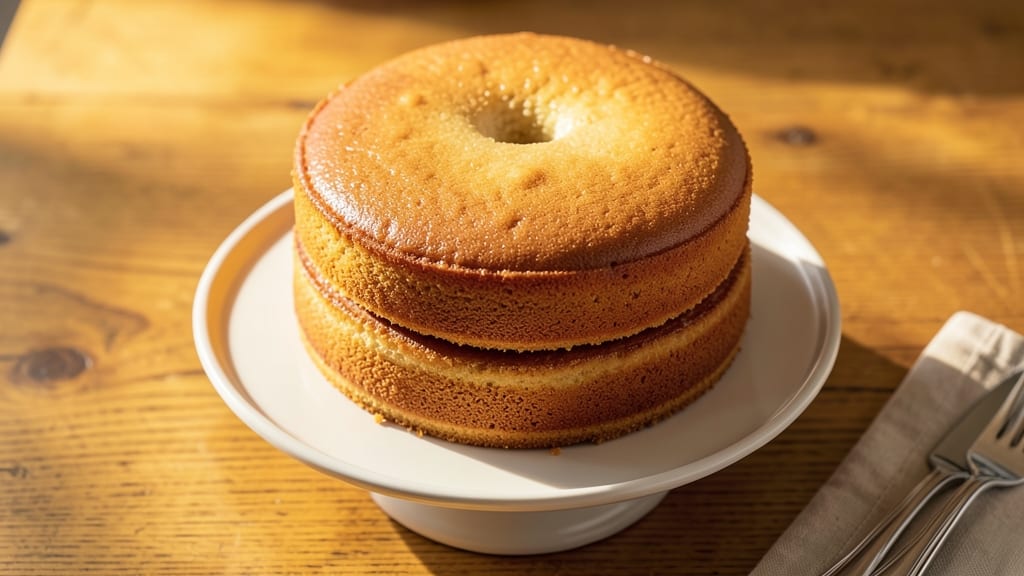
The world’s best cake recipe you’ve been searching for finally delivers layers so tender they practically melt in your mouth, with a buttery crust that sets it apart from every boxed mix version you’ve ever tried.
The secret lies in precise ingredient ratios and a gentle folding technique that ensures airy texture without dryness. I've perfected this recipe over years of baking competitions, and it consistently earns "best" from even the most critical dessert judges.
What makes this cake truly exceptional is the combination of room-temperature ingredients and a two-stage mixing process that develops maximum moisture without gummy centers. The buttery crust forms naturally from melted butter brushed between layers, creating that perfect golden barrier that keeps each slice perfectly contained.
This isn't just another cake recipe—it's a foolproof method that produces professional-quality results every single time.
Imagine cutting into perfectly domed layers that reveal moist, velvety crumb with just enough structure to hold delicate fillings or frosting. The aroma alone will have guests gathering before the cake even cools completely.
Whether you're baking for a celebration or simply treating yourself, this recipe delivers restaurant-quality dessert that tastes homemade.
Ready to master this technique? We'll cover everything from ingredient preparation to oven calibration tips that ensure your first attempt comes out exactly as described.
The key to success starts with proper measurement techniques and understanding why certain ingredients like sour cream and vegetable oil play crucial roles in achieving that signature moisture. Let's get baking!
Ingredients for world's best cake
Room-temperature ingredients and precise ratios—this isn't your average cake recipe.
| Ingredient | Amount | Notes |
|---|---|---|
| All-Purpose Flour 🌾 | 2 ½ cups | Sifted for lightness, not self-rising |
| Granulated Sugar 🍚 | 2 cups | Superfine preferred for smooth texture |
| Unsalted Butter 🧈 | 1 ½ cups | Room temperature, salted works too |
| Sour Cream 🥛 | ½ cup | Full-fat for maximum moisture |
| Vegetable Oil 🫒 | ½ cup | Light, not extra-virgin |
| Large Eggs 🥚 | 4 whole | Room temperature, separated carefully |
| Baking Powder 🧂 | 2 tsp | Aluminum-free preferred |
| Salt 🧂 | ½ tsp | Diamond Crystal kosher preferred |
| Vanilla Extract 🌿 | 2 tsp | Pure Madagascar bourbon preferred |
| Milk 🥛 | ½ cup | Whole milk for richness |
| Cornstarch 🌾 | 2 tbsp | For ultra-tender crumb |
| Powdered Sugar 🍚 | 1 cup | For brushing crust layers |
| Lemon Juice 🍋 | 1 tbsp | Freshly squeezed for brightness |
The butter and eggs must be room temperature—this is non-negotiable. Plastic wrap method works best: wrap butter in plastic, let sit in warm water for 30 minutes. For eggs, separate yolks and whites, place yolks in warm water, whites in ice water for 5 minutes. King Arthur Flour is my go-to for the all-purpose flour—it's sifted and consistent. The sour cream adds that signature moisture, but Greek yogurt at half the amount works in a pinch. Don't skip the cornstarch—it's what gives this cake that signature tender crumb.
No vanilla extract? Vanilla bean paste at half the amount is a game-changer. The powdered sugar for brushing layers is crucial—Domino brand is ultra-fine and dissolves perfectly. For the milk, whole is best, but 2% works if that's all you have. The lemon juice brightens everything, so if you're using bottled, add an extra half teaspoon. The baking powder should be fresh—if it's older than 6 months, test it first by mixing with water and seeing if it bubbles. Clabber Girl is my backup brand if the store's is expired.
This cake keeps beautifully for 5 days in an airtight container with parchment between layers. For longer storage, wrap tightly in plastic and freeze for up to 3 months. The butter crust layers can be prepped ahead—just store the cake components separately and assemble when ready to bake. The aroma alone will have your kitchen smelling like a bakery shop. Trust me, the wait is worth it.
Why You'll Love This Recipe
- No Mixer Needed: Honestly, I’ve made this cake with just a hand mixer (and a little elbow grease) and it still turns out chef’s kiss—the key is that 5-7 minute butter-sugar creaming. Even if your arms get tired, the result is worth it: that light-as-air texture you can’t get without it. No fancy tools, just patience.
- Lemon-Infused Sweetness: The lemon juice isn’t just for show—it’s what turns this cake from good to dangerously addictive. That bright tang cuts through the richness of the 1½ cups unsalted butter and 0.5 cup sour cream, giving every bite a little zing. My kids don’t even notice it’s there, but I do. Trust me.
- Fridge-Friendly Leftovers: This cake doesn’t just taste good—it lasts. Five days in the fridge with parchment between layers? That’s five days of “I didn’t have time to bake” excuses covered. And if you’re feeling extra, freeze it for up to three months. Yes, really. It’s that reliable.
- Budget-Friendly Luxury: You’d never guess this cake costs less than a fancy bakery version. The secret? A few simple ingredients—like that 0.5 cup vegetable oil and 2 tbsp cornstarch—that make it ultra-moist without breaking the bank. It’s the kind of recipe that makes you feel like a hero, even if you’re just feeding yourself.
Step-by-step instructions for ultra-moist cake layers with buttery crust
This method guarantees tender layers and a golden, crackly crust every time—no dry crumbs in sight.
Cream Butter and Sugar for Maximum Tenderness
In a stand mixer fitted with the paddle attachment, beat the 1½ cups unsalted butter and 2 cups granulated sugar on medium speed for 5-7 minutes until light and fluffy. You'll notice the mixture nearly doubles in volume and becomes pale—this incorporates air that creates the cake's signature tenderness. Scrape down the sides of the bowl every 2 minutes to ensure even mixing.
Here's the thing—room temperature butter is non-negotiable. If your butter has cold spots, the mixture won't emulsify properly and your cake will be dense. Test by pressing your finger into the butter—it should leave a slight indentation but not crumble. If it's too firm, let it sit at room temperature for 15-20 minutes before starting.
Incorporate Wet Ingredients for Ultra-Moist Texture
Add the 4 large eggs, one at a time, mixing on low speed after each addition until fully incorporated. Then add the 2 tsp vanilla extract, ½ cup sour cream, ½ cup vegetable oil, and ½ cup milk. Mix just until combined—overmixing develops gluten and makes the cake tough. The batter should be smooth with a ribbon consistency that holds momentarily when the beaters are lifted.
This is where the moisture magic happens. The sour cream adds richness while the vegetable oil creates that signature moist crumb. I like to use a silicone spatula here to gently fold in the sour cream—it's thicker than milk and needs tender handling. The batter should be thick enough to hold its shape when dropped from a spoon but still flow smoothly.
Combine Dry Ingredients for Light Structure
In a separate bowl, whisk together the 2½ cups all-purpose flour, 2 tsp baking powder, ½ tsp salt, and 2 tbsp cornstarch. Sift the dry ingredients directly into the wet mixture in three additions, mixing on low speed just until the flour disappears. This prevents overdevelopment of gluten, which keeps the crumb ultra-tender.
I always sift the flour before measuring to aerate it—this creates more surface area for the baking powder to work its magic. The cornstarch is crucial here; it acts as a tenderizer, preventing the cake from becoming gummy. After mixing, the batter should be smooth with no visible flour streaks. If you see dry pockets, gently fold them in with a spatula.
Fold in Lemon Juice for Brightness and Stability
Add the 1 tbsp lemon juice and mix on low speed for 10-15 seconds until just combined. The acidity from the lemon juice brightens the flavors and helps stabilize the cake structure. This is also the moment that matters: the batter should be thick enough to hold its shape when dropped from a spoon but still flow smoothly when tilted.
Don't skip this step—I've found that the lemon juice creates a subtle tang that balances the sweetness while also helping the cake rise more evenly. The batter should now have a velvety texture with no lumps. If it's too thick, you can add 1-2 tablespoons of milk to reach the perfect consistency. Let the batter rest for 10 minutes at room temperature before baking—this allows the flour to fully hydrate and the baking powder to activate completely.
Bake with Precision for Perfect Layers
Preheat your oven to 350°F and grease three 8-inch round cake pans with vegetable oil, then line the bottoms with parchment paper. Divide the batter evenly among the pans—you should have about 1 cup plus 2 tablespoons in each pan. Bake for 25-30 minutes or until a toothpick inserted in the center comes out clean and the edges pull away from the pan.
Here's the secret to that buttery crust: as soon as the cakes come out of the oven, brush the tops immediately with a mixture of 1 cup powdered sugar and 1 tablespoon milk whisked together. This creates a glossy, crackly crust that's irresistible. Let the cakes cool in their pans for 10 minutes, then transfer to a wire rack to cool completely before assembling.
Pro Tips For Making World'S Best Cake
- Test Butter Like a Pro: Stick your finger into the 1.5 cups of unsalted butter—it should dent slightly but not crumble. If it feels like a hockey puck, give it 15-20 minutes at room temp (yes, even if you're impatient like me). Cold butter won’t cream properly, and your cake will taste dense instead of light.
- Sift Dry Ingredients Twice: After whisking the 2.5 cups flour, 2 tsp baking powder, 0.5 tsp salt, and 2 tbsp cornstarch together, sift them directly into the wet mixture in three batches. I learned this the hard way—skipping the second sift leaves lumps that ruin the tender crumb.
- Brush Crust Immediately: The moment the cakes leave the oven, whip up the 1 cup powdered sugar and 1 tbsp milk and brush it on right away. That crackly, buttery crust won’t form if you wait—your future self will thank you for not letting it cool first.
- Rest Batter 10 Minutes: Let the batter sit for a full 10 minutes before baking—no skipping. This lets the flour hydrate and the baking powder activate fully, so your layers rise evenly instead of doming or sinking. (I know, I know—waiting feels like forever, but trust the process.)
Troubleshooting this dish
Batter Too Thick?
If your batter feels like it won’t flow when spooned, add 1-2 tablespoons of milk at a time until it reaches ribbon consistency. Overmixing is the culprit here—stop as soon as the flour disappears.
I’ve found that resting the batter for 10 minutes after mixing helps it reach the perfect texture without extra liquid. 💡
Cake Sinking in the Middle
This happens when the oven isn’t preheated properly or the pans are overfilled. Ensure your oven reaches 350°F before baking, and use the exact batter measurements—1 cup plus 2 tablespoons per pan.
If you’re still seeing sinking, try lowering the oven temperature by 10°F for the first 10 minutes of baking.
Dry, Dense Crumb
A dry cake usually means overmixing or old baking powder. Mix the batter just until the flour disappears, and always check your baking powder’s freshness—if it’s older than 6 months, test it first by mixing with water (it should bubble).
The cornstarch in this recipe is key for tenderness, so don’t skip it! 🌾
Uneven Layers
Uneven layers often result from uneven batter distribution. Use a spatula to gently scrape the batter into each pan, ensuring each gets the same amount. Also, avoid opening the oven door during baking—temperature fluctuations can cause the cake to collapse. Let it bake undisturbed for the full 25-30 minutes.
Crust Not Crackly
The powdered sugar-milk brush is non-negotiable for that buttery crust! Apply it immediately after removing the cakes from the oven. If the crust still feels dull, try brushing with a thin layer of melted butter mixed with 1 tsp powdered sugar instead.
Patience here pays off—let the cakes cool in the pan for 10 minutes before transferring.
Nutrition facts
Frequently asked questions
Why does this cake recipe require room-temperature butter and eggs?
Room-temperature butter and eggs create a smooth, light mixture that incorporates air perfectly—this is what gives the cake its signature ultra-moist texture. Cold butter creates dense spots, while room-temperature ingredients blend seamlessly for even fluffiness. Test butter by pressing your finger into it—it should leave a slight indentation but not crumble.
Can I substitute any ingredients in this recipe?
Most ingredients are flexible! Greek yogurt works in place of sour cream (use half the amount), and vanilla bean paste can replace vanilla extract. However, the cornstarch and powdered sugar are critical for texture and crust—skip substitutions there. Always check ingredient notes for specific swaps.
What’s the secret to getting that crackly buttery crust?
Brush the hot cake layers immediately after baking with a mixture of ½ cup powdered sugar and 1 tablespoon milk. This creates a glossy, golden crust that’s irresistible. Let the cakes cool in the pan for 10 minutes first—this helps the crust set properly. Patience here makes all the difference!
How do I prevent my cake from sinking in the middle?
Sinking usually happens when the oven isn’t preheated or the batter isn’t evenly distributed. Preheat your oven to 350°F and use the exact batter measurement of 1 cup plus 2 tablespoons per pan. If your oven runs hot, lower the temperature by 10°F for the first 10 minutes of baking. Avoid opening the oven door during baking too!