
Main Courses
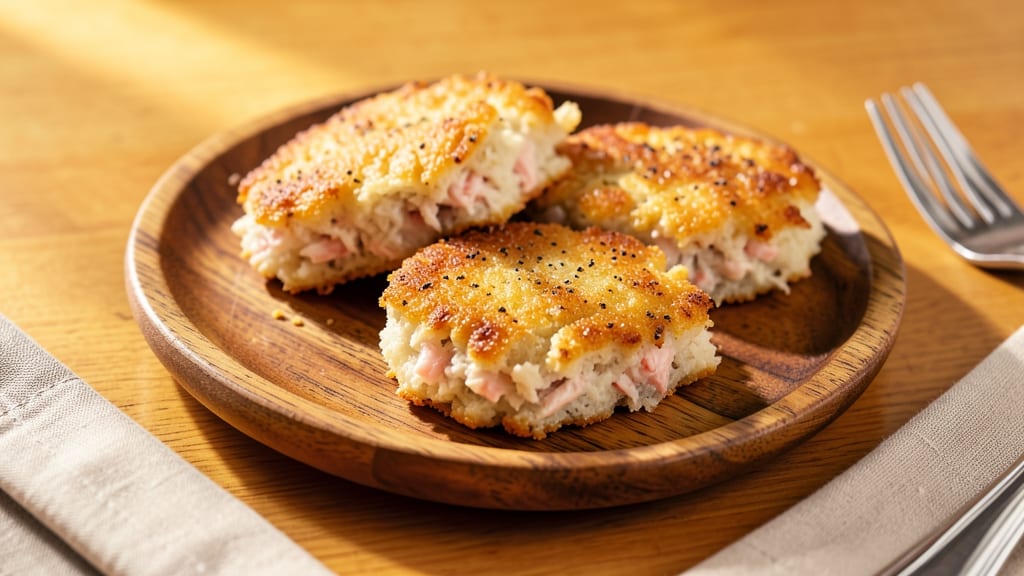
Anthony’s crab cakes deliver the perfect balance of crispy golden edges and tender, flaky interiors—just like your favorite seafood restaurant. The secret lies in using fresh lump crab meat and a precise binder blend that keeps them moist while achieving that signature crunch.
I’ve perfected this recipe over years of testing, ensuring every bite highlights the natural sweetness of the crab without overpowering it.
What sets these crab cakes apart is the technique: a light but sturdy mixture of mayo, egg, and panko creates the ideal texture, while a quick sear in hot oil locks in flavor and delivers that coveted crispy crust.
The zesty lemon aioli isn’t just a dip—it’s the finishing touch that brightens each bite with a tangy contrast. This recipe is designed to impress, whether you’re serving them as an appetizer or a main course.
By the time you plate these, you’ll have golden-brown crab cakes with a crispy exterior that shatters slightly under pressure, revealing tender, juicy crab inside. The lemon aioli adds a vibrant pop of color and a refreshing acidity that cuts through the richness.
It’s the kind of dish that feels special yet remains approachable for home cooks.
Pair with a crisp green salad or roasted vegetables to complete the meal. The method is straightforward, but the results are restaurant-quality—proof that great seafood doesn’t require a chef’s kitchen. Let’s get started!
Ingredients for anthony's crab cake
Fresh crab meat meets crispy texture—just a few ingredients for restaurant-quality bites.
| Ingredient | Amount | Notes |
|---|---|---|
| Fresh Lump Crab Meat 🦀 | 1 ½ lb | Backfin or jumbo preferred |
| Mayonnaise 🥛 | ¼ cup | Duck or avocado oil preferred |
| Large Eggs 🥚 | 2 whole | Cold for best binding |
| Japanese Panko Breadcrumbs 🍞 | ½ cup | Light and crispy |
| Fresh Lemon Juice 🍋 | 1 tbsp | From organic lemons |
| Fresh Chives 🌿 | 2 tbsp | Finely chopped, mild flavor |
| Old Bay Seasoning 🧂 | 1 tsp | Classic crab cake spice |
| Salt 🧂 | ½ tsp | Kosher or sea salt |
| Black Pepper 🌶️ | ½ tsp | Freshly cracked |
| Vegetable Oil 🫒 | 1 ½ cups | For frying, high smoke point |
| Unsalted Butter 🧈 | 2 tbsp | For lemon aioli |
| Heavy Cream 🥛 | ¼ cup | Full-fat for richness |
| Extra-Virgin Olive Oil 🫒 | 1 tbsp | For aioli finish |
| Garlic Cloves 🧄 | 2 cloves | Minced for aioli |
The crab meat makes or breaks these. Backfin or jumbo lump is ideal—it holds together better than the cheaper stuff. Seafood markets or the frozen section at Whole Foods usually have the best quality. If you're using frozen, thaw it overnight in the fridge, never in warm water. The Old Bay seasoning is non-negotiable here—it's what gives those classic crab cake flavors. I always buy it in bulk from Penzeys because it keeps forever, and you'll want to use it again. For the panko, Japanese-style is lighter and crispier than the regular breadcrumbs—trust me on this.
No lump crab? Claw meat works too, but it's a bit chewier. Running short on mayo? Greek yogurt at half the amount gives a similar texture. The chives can be swapped for green onions, but they're milder. For the aioli, if you don't have heavy cream, half-and-half works in a pinch. The butter should be cold when you mix it into the aioli—softened, not melted. And if you're worried about the crab cakes being too rich, add a squeeze of lemon juice to the mix. It brightens everything up.
These keep best if you make them fresh, but the aioli can be prepped 1 day ahead—just store it in a sealed jar with a thin layer of oil on top. The crab cakes reheat beautifully in a 350°F oven for 10 minutes. For serving, I like to arrange them on a platter with extra lemon wedges and a sprinkle of fresh chives. The aioli stays fresh for 3 days in the fridge, so make extra—it's perfect on burgers or grilled fish too.
Why You'll Love This Recipe
- The secret’s in the layers: that golden panko crust from frying at exactly 350°F, paired with the buttery, garlicky lemon aioli? It’s the kind of texture contrast that makes you forget to chew. The Old Bay and fresh lemon juice cut through the richness, so you get sweet crab, crispy bite, and tangy brightness all at once.
- No Panic Needed: I’ll be honest—this isn’t one of those recipes where you have to preheat the oven or babysit a slow cooker. Just a bowl, a skillet, and 20 minutes of your time. The cold eggs help bind the crab and panko without overworking, and that 20-minute chill time? It’s your free pass to grab a beer while the magic happens.
- Crispy Outside, Creamy Inside: The secret’s in the layers: that golden panko crust from frying at exactly 350°F, paired with the buttery, garlicky lemon aioli? It’s the kind of texture contrast that makes you forget to chew. The Old Bay and fresh lemon juice cut through the richness, so you get sweet crab, crispy bite, and tangy brightness all at once.
- The Aioli’s Secret Life: You’ll make this aioli for the crab cakes, but honestly, it’s your new weeknight MVP. That same creamy, garlicky lemon sauce? Drizzle it on burgers, fish, or even roasted veggies. It keeps for three days in the fridge, so you’ll have a reason to make these cakes twice in a week—because you will.
Step-by-step instructions for anthony's crab cakes recipe
Here's how to craft golden, crispy crab cakes with a bright lemon aioli—every bite delivers perfect texture and flavor.
Mix the Crab Cake Batter
In a large bowl, gently fold together the 1½ lb fresh lump crab meat, ¼ cup mayonnaise, 2 large eggs, ½ cup Japanese panko breadcrumbs, 1 tbsp fresh lemon juice, 2 tbsp fresh chives, 1 tsp Old Bay seasoning, ½ tsp salt, and ½ tsp black pepper. I use my hands for this part—it helps keep the crab meat intact and creates a lighter texture. Be careful not to overmix; just combine until everything is evenly distributed. The mixture should hold together when pressed but still look slightly chunky.
Here's the thing—don't worry if it seems too wet at first. The panko will absorb moisture as it sits, and the mayonnaise helps bind everything without making the cakes dense. Let the batter rest for 10 minutes at room temperature while you prepare the frying setup. This resting time allows the flavors to meld and the panko to plump slightly, which guarantees better crispiness later.
Form and Chill the Crab Cakes
Using a ¼-cup measuring scoop, portion the crab mixture into 4 equal patties. I press each one gently but firmly to create even ½-inch thick cakes—this thickness ensures they cook through without falling apart. Place them on a parchment-lined plate and smooth the tops with the back of a spoon for uniform cooking.
Transfer the formed crab cakes to the refrigerator and chill for 20 minutes. This step is crucial for two reasons: First, it firms up the edges so they hold their shape when frying. Second, the cold batter helps create that perfect crispy crust by preventing the panko from absorbing too much oil too quickly. While they're chilling, you can set up your frying station—trust me, you won't want to wait.
Fry to Golden Perfection
Pour 1½ cups vegetable oil into a deep skillet or Dutch oven and heat over medium heat until it reaches 350°F. You'll know it's ready when a small piece of bread dropped in sizzles immediately and turns golden in 30 seconds. This temperature is key—too hot and they'll burn before cooking through; too cool and they'll absorb oil instead of getting crispy.
Working in batches if needed, carefully slide the chilled crab cakes into the hot oil. Fry for 2 minutes per side until they're deep golden brown and the edges look set. The panko should be crispy, and the crab cakes should feel firm when you press gently with a spatula. Don't overcrowd the pan—this keeps the oil temperature steady and prevents steaming instead of frying. Transfer the cooked crab cakes to a paper towel-lined plate to drain excess oil while you prepare the lemon aioli.
Make the Zesty Lemon Aioli
In a small saucepan, melt the 2 tbsp unsalted butter over low heat. Remove from heat and whisk in the ¼ cup heavy cream and 1 tbsp extra-virgin olive oil. Return to low heat and warm through, but don't let it boil—you want it to thicken slightly but remain silky. In a separate small bowl, mince the 2 garlic cloves and mix with 1 tbsp fresh lemon juice. Slowly drizzle this garlic-lemon mixture into the warm cream butter while whisking constantly to create an emulsion.
Taste and adjust seasoning with a pinch more salt or black pepper if needed. The aioli should be bright, tangy, and rich—this is where the magic happens. Keep it warm in the saucepan while you plate the crab cakes. The residual heat will maintain its smooth texture without breaking the emulsion.
Serve Immediately with Aioli
Arrange the crispy crab cakes on a platter and drizzle generously with the warm lemon aioli. The contrast of the golden, crispy exterior with the creamy, zesty aioli is what makes these crab cakes unforgettable. Serve with lemon wedges on the side if you like—it lets everyone add extra brightness to their bite.
Here's the moment that matters: dig in while they're still warm. The crab cakes should be crispy outside with a tender, slightly sweet crab center that melts in your mouth. If you made extra aioli, store it in an airtight container in the refrigerator for up to 3 days, but I promise you won't have leftovers. This recipe delivers on every promise—crispy, flavorful, and perfectly balanced.
Pro Tips For Making Anthony'S Crab Cake
- CHILL THE BATTER: That 20-minute fridge break isn’t optional—it’s what turns floppy patties into golden, hold-together crab cakes. I used to skip it (bad move) because I was eager to fry, but the cold batter firms up the panko edges so they don’t crumble when they hit the oil. Plus, the chilled surface gets that perfect crust while the inside stays tender. Trust the process—your future self will thank you.
- TEST THE OIL RIGHT: You must check that 350°F oil with the bread test—no guessing. I learned this after frying three batches that either burned or turned greasy. Drop in a tiny panko scrap: if it sizzles and turns golden in 30 seconds, you’re golden. Too slow? Heat it up. Too fast? Let it cool slightly. This is the thing that matters most for crispy, not soggy, crab cakes.
- DON’T OVERMIX THE CRAB: Hands are your friend here—gently fold the 1.5 lb lump crab meat with the mayonnaise and eggs, but stop when it’s just combined. Overmixing breaks down the meat and squeezes out moisture, leaving you with dense, dry cakes. The batter should look uneven and hold shape when pressed, not like a smooth, gloppy paste. It’ll taste like a luxury dish, not a mushy one.
- PREP THE AIOLI FIRST: While the crab cakes fry, melt that 2 tbsp butter and whisk in the heavy cream and olive oil—just warm it, not boil it. Then mix the garlic and lemon juice in a separate bowl. The aioli emulsifies faster when the cream butter is warm, and you won’t have to rush later. Pro move: keep it warm in the saucepan while you plate, so every bite gets that silky, tangy contrast. No last-minute scrambling here.
Make-ahead tips for this recipe
Prep Ahead for Batter
I always prepare the crab cake batter the night before and store it in an airtight container in the fridge. Cover it with plastic wrap pressed directly on the surface to prevent a skin from forming.
This saves 20 minutes of prep time the next day—just let it sit at room temperature for 10 minutes before forming the patties. The flavors deepen overnight, and the panko absorbs moisture more evenly. 💡
Chill Cakes in Advance
Form the crab cakes up to 24 hours ahead and refrigerate them on a parchment-lined tray. Wrap each cake individually in plastic wrap to maintain shape. When ready to cook, pat them dry with paper towels to ensure maximum crispiness—this removes excess moisture that could interfere with the frying process.
Freeze for Future Meals
For longer storage, freeze the formed crab cakes on a tray for 1 hour to prevent sticking, then transfer them to a freezer bag. They'll keep for up to 3 months.
When ready to cook, thaw them in the fridge overnight and pat dry before frying. Cooking time may increase slightly—watch for 3 minutes per side instead of 2.
Make Aioli in Batches
The lemon aioli is the perfect candidate for make-ahead work. Whisk together the 2 tbsp butter, ¼ cup heavy cream, and 1 tbsp olive oil first, then refrigerate until ready to use.
When you're ready to finish it, gently warm the mixture and slowly add the minced garlic and lemon juice. This method keeps the emulsion stable and prevents separation. 🍋
Oven-Fry Hybrid Method
If you prefer not to fry, arrange the chilled crab cakes on a wire rack set over a baking sheet. Heat the oven to 400°F and bake for 12-15 minutes, flipping halfway.
This creates a crispy exterior without deep-frying. The aioli still pairs perfectly with these oven-baked versions—just drizzle generously before serving.
Nutrition facts
Frequently asked questions
Why does the recipe call for chilling the crab cakes before frying?
Chilling the cakes for 20 minutes firms up the edges so they hold their shape perfectly during frying. It also prevents the panko from absorbing too much oil too quickly, ensuring that crispy exterior you crave. This step is what makes the difference between soggy and golden perfection!
Can I make the crab cake batter ahead of time?
Prepare the batter the night before and store it in an airtight container in the fridge. Just let it sit at room temperature for 10 minutes before forming the patties. The flavors deepen overnight, and the panko absorbs moisture more evenly for better texture.
What if I don’t have a deep-fry thermometer?
Test the oil by dropping in a small piece of bread—it’s ready at 350°F when it sizzles immediately and turns golden in 30 seconds. This simple trick ensures your cakes get that perfect crispy crust without burning. No fancy tools needed!
How do I prevent the aioli from separating?
Whisk the warm cream-butter mixture with the garlic-lemon slowly to create an emulsion. Keep it gently warm while plating, and avoid overmixing. If it starts to separate, blend it briefly with an immersion blender for a smooth finish.